
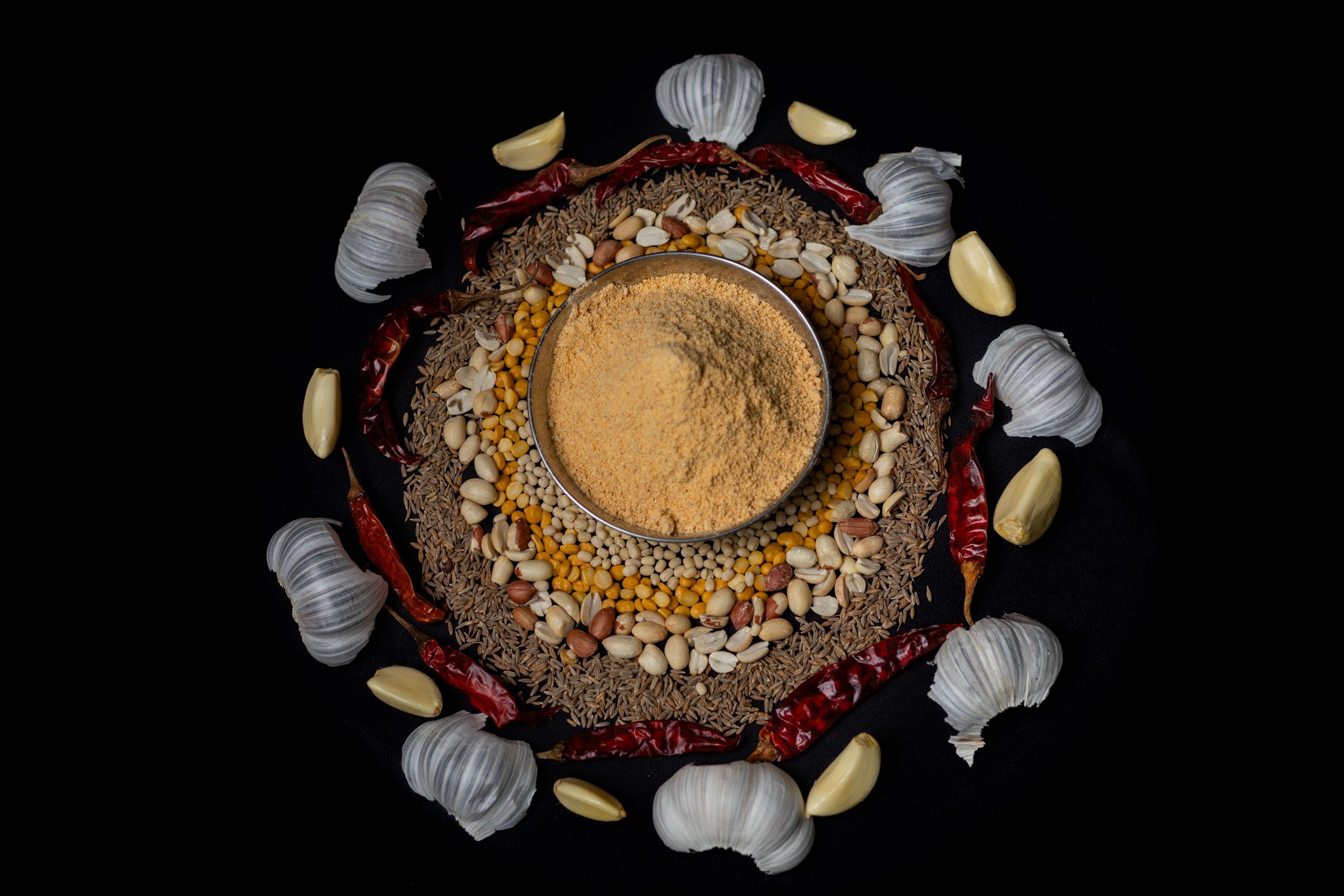
India’s spice and masala blending industry has quietly become one of the most demanding corners of food manufacturing, not because the products are complicated to make, but because the margin for error is so small. A blend that is off by even a gram or two per batch can change flavour balance across an entire production run, and for units supplying branded retail chains or export buyers, that inconsistency shows up fast, usually as a rejected batch or a customer complaint that never quite gets explained.
The Problem With Manual and Semi-Manual Blending
For decades, small and mid-size masala units in India relied on manual weighing and blending, often trusting experienced staff to eyeball ratios that had been passed down for years. This worked reasonably well at low volume, but as demand grew, particularly from modern retail and export channels, the same process started producing visible inconsistency. Two batches of the same product, made a week apart, could taste noticeably different, and nobody could say exactly why without reviewing every step by hand.
The honest answer is usually dosing drift. Ingredients like turmeric, chili, and coriander behave differently depending on humidity, particle size, and even the specific harvest they came from, so a manual process that worked for one batch of raw material can quietly go wrong with the next.
Where Precision Dosing Actually Helps
Consistency across batches is the most immediate benefit manufacturers notice once they move to automated dosing systems. A calibrated system doses by weight rather than by feel, which removes the variability that comes from different staff, different shifts, or simple fatigue over a long production day.
Compliance and traceability matter more every year as retail buyers and export markets ask for documented quality processes, not just a finished product that tastes right. Automated dosing systems typically log fill data, which gives manufacturers a paper trail they did not have before.
Labour dependency drops significantly, which matters in an industry where skilled blending staff are hard to retain and even harder to train quickly. A well calibrated system reduces how much of the product’s consistency depends on any one person’s experience.
Waste reduction is the benefit that surprises manufacturers most, since manual processes tend to build in generous safety margins to avoid underfilling, which quietly eats into raw material cost. Tighter, calibrated dosing narrows that margin without increasing compliance risk.
Why This Shift Is Happening Now
Two forces are pushing this change at the same time. Domestic retail chains are tightening their quality and consistency requirements as competition grows, and export buyers, particularly in markets with strict food safety documentation requirements, are asking Indian suppliers for a level of process transparency that manual blending simply cannot provide on its own. Manufacturers who have not yet made this shift are increasingly finding it harder to win or retain these larger accounts, not because their product is worse, but because they cannot prove consistency the way a competitor with automated dosing can.
What This Means for Growing Manufacturers
The good news is that this shift does not have to mean a complete factory overhaul. Many manufacturers add precision dosing incrementally, starting with their highest volume or highest complaint product line, and expanding from there once the return on the investment becomes clear in reduced waste and fewer rejected batches.
Companies like Arceus India, which builds dosing and packing equipment for exactly this kind of transition, have seen this pattern repeat across the industry, small and mid-size manufacturers who start with a targeted upgrade to their most problematic product line before expanding automation further. For units specifically working with spice blends, a properly calibrated masala packing machine is often the single highest impact change a manufacturer can make, since it addresses both the consistency problem and the compliance documentation gap in one step.
As India’s food manufacturing sector continues to formalise, precision dosing is quickly becoming less of a competitive edge and more of a baseline expectation, which makes now a sensible time for manufacturers still relying on manual methods to start planning the transition.

