
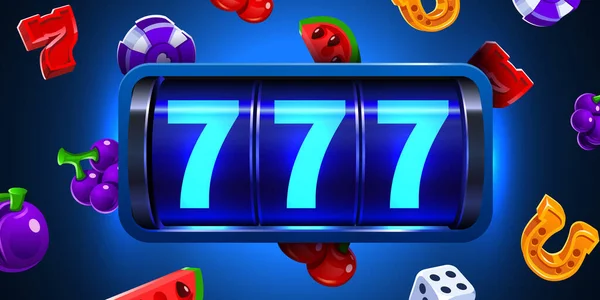
Have you ever looked closely at the symbols in an online slot game and wondered why they look the way they do? A golden crown, a mysterious creature, or a glowing gemstone might seem like a small detail, but each can contribute to the game’s visual identity.
Modern slot gaming has changed considerably from the days of mechanical reels and basic fruit symbols. Today, game developers combine digital illustrations, animation, sound effects, and creative themes to produce visually distinctive experiences.
The interesting part is how these artistic elements work together. Every background, character, and symbol can contribute to a particular atmosphere, turning a simple reel-based game into an interactive form of digital entertainment.
From Classic Fruit Symbols to Digital Artwork
The artistic history of slot gaming began with relatively simple mechanical machines. Charles Fey’s Liberty Bell, developed in the 1890s, featured symbols such as horseshoes, playing card suits, and bells. These images were easy to recognise and suited the mechanical technology available at the time.
During the early twentieth century, fruit symbols became closely associated with slot machines. Cherries, lemons, oranges, and plums appeared partly because some machines were connected with fruit-flavoured chewing gum. Those familiar images eventually became lasting features of traditional slot design.
Cabinet Magazine
As technology improved, slot machines gained brighter displays, more detailed illustrations, and additional visual effects. The introduction of video-based slots in the 1970s was particularly important because developers no longer had to rely entirely on physical reels.
Digital screens allowed artists to experiment with detailed environments, animated symbols, and increasingly imaginative themes.
How Themes Give Slot Games Their Identity
One of the biggest artistic changes in modern slot gaming is the importance of themes. Instead of presenting symbols against a plain background, developers can create an entire visual setting around a particular idea.
A game inspired by ancient Egypt might include pyramids, golden masks, hieroglyphics, and desert scenery. A fantasy-themed slot could feature dragons, enchanted forests, magical objects, and mythical characters.
For example, a pirate-themed game may use wooden textures, treasure maps, colourful parrots, and ocean backgrounds. Meanwhile, a futuristic slot might feature glowing panels, robotic characters, and metallic symbols.
Although both games may follow similar underlying reel mechanics, their artwork can make them feel completely different.
The most effective themes maintain consistency across symbols, backgrounds, buttons, and animations. This visual coordination helps players understand the game’s identity from the moment it opens.
Every Symbol Can Tell a Different Story
Symbols are among the most recognisable elements of slot gaming. Their appearance has gradually developed from basic illustrations into detailed pieces of digital artwork.
Modern developers frequently create custom symbols that match a game’s story or setting.
For instance, an adventure-themed slot might use ancient keys, mysterious books, magical stones, and explorer characters. Each image reinforces the central theme while remaining recognisable on the reels.
The artistic process also involves practical decisions. Symbols need clear outlines, appropriate colours, and enough visual contrast to remain readable during gameplay.
Special symbols such as Wilds and Scatters may receive distinctive borders, lighting effects, or animations to help distinguish their functions.
However, artwork does not change the mathematical probability of a symbol appearing. In properly implemented random-number-generator games, outcomes depend on the underlying game system rather than the appearance of the artwork.
The Influence of Animation on Modern Slot Design
Animation has become an important part of digital slot presentation. Instead of remaining completely static, symbols can now move, glow, expand, or transform when certain game events occur.
A dragon might breathe fire during a bonus sequence, while a treasure chest could open to reveal an animated effect.
The growth of online gaming platforms, including bandot88, also reflects the broader availability of digital games with different artistic styles and presentation formats. Players browsing online titles may encounter everything from traditional fruit-machine designs to elaborate animated environments.
Animation can also communicate information. For example, a brief visual effect may identify a winning combination, indicate a feature activation, or show that a new round has started.
When used carefully, these effects make gameplay easier to follow without overwhelming the screen.
Colour and Sound Create a Distinct Atmosphere
Artists working on slot games consider more than individual images. Colour combinations, lighting, and sound all contribute to the overall presentation.
Bright colours often appear in playful, cartoon-inspired games. Darker tones may be used for mystery or horror themes, while gold and purple can support a royal or fantasy setting.
Sound design complements these visual choices.
An underwater-themed game might include gentle bubbling effects and ambient music, while a science-fiction title could use electronic sounds and mechanical audio cues.
Together, these elements establish a recognisable mood.
Good design also requires balance. Excessive flashing, loud effects, or constant movement can make a game tiring to watch. Clear controls, adjustable sound settings, and restrained animations can improve the experience.
How Mobile Gaming Changed Artistic Decisions
The popularity of smartphones has influenced how developers create slot graphics.
Artwork originally intended for large desktop monitors must now remain clear on much smaller screens. This makes readability, spacing, and responsive design especially important.
Developers may simplify decorative elements, enlarge important symbols, and reposition controls to suit vertical screens.
Characters and background illustrations must also fit different screen proportions without losing their essential details.
For example, a richly illustrated castle might look impressive on a desktop display, but the mobile version may need a closer view of the reels and fewer background details.
Successful mobile design preserves the game’s visual identity while making its controls and information easy to use.
Why Different Artistic Styles Matter
Not every modern slot needs realistic graphics or complicated animations.
Some developers favour minimalist artwork with clean shapes and simple colour schemes. Others use cartoon illustrations, retro pixel art, comic-inspired characters, or detailed 3D environments.
Each style creates a different impression.
A retro slot may deliberately recreate the look of an old fruit machine, including traditional symbols and mechanical-style reel movement. A modern fantasy game may use elaborate character illustrations and cinematic effects.
Neither approach is automatically better. Their effectiveness depends on how well the artwork supports the theme and the game’s usability.
What Comes Next for Slot Game Art?
Advances in graphics technology are giving artists more options for creating interactive environments, lighting effects, and character animations.
Some developers may experiment further with 3D elements, responsive backgrounds, and presentation styles influenced by mobile and video games.
However, increasingly detailed graphics are not necessarily the main goal.
The most successful visual approaches will likely continue balancing creativity with clarity. Players still need to recognise symbols, understand game features, and navigate the interface comfortably.
The challenge for artists is to make each title visually distinctive without allowing decorative effects to interfere with its basic functions.
Conclusion
The artistic evolution of modern slot gaming shows how far reel-based entertainment has progressed from its mechanical beginnings. Simple fruit symbols have developed into detailed illustrations, animated characters, and themed digital environments. Colours, sound, and responsive design now play important roles in how these games are presented. Yet the familiar reels remain central to the experience. As digital art technology continues to develop, slot creators have more opportunities to experiment with visual storytelling while preserving the clarity and simplicity that make the format recognisable.


