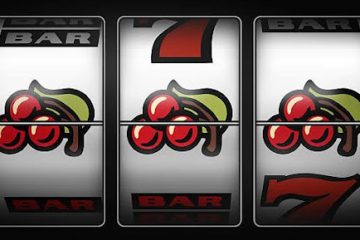
Slot entertainment has travelled a long way from the mechanical machines that once dominated casino floors. The familiar reels and symbols are still part of the experience, but much of what happens today is controlled by software, data processing, animation, sound design, and mobile technology.
Behind every digital spin is a combination of code and creative design working together to produce a smooth, responsive experience. This technological shift has not simply moved slot games from physical machines to screens. It has changed how games look, how players interact with them, and how developers think about entertainment.
From Mechanical Reels to Software-Driven Games
Traditional slot machines were built around physical reels, mechanical components, and relatively simple game structures. Modern digital slots operate very differently.
Software Replaces Physical Limitations
With software controlling the experience, developers are no longer restricted by the number of symbols that can physically fit on a mechanical reel. Digital systems allow games to use changing layouts, animated symbols, bonus screens, expanding reels, and multiple visual sequences.
This flexibility has encouraged developers to experiment with game structures while keeping the basic idea of spinning reels recognizable. The result is an entertainment format that combines familiar casino imagery with features inspired by modern video games and mobile applications.
Random Number Generation Works Behind the Screen
One of the most important pieces of technology in modern slot games is the random number generator, commonly called an RNG. Instead of relying on physical reel positions, the software continuously generates numerical outcomes.
When a spin is activated, the system uses these calculations to determine the result according to the game’s programmed rules. Visual reel movements then present that outcome on the screen.
For users, most of this happens invisibly. The spinning animation is what they see, while the calculations are completed almost instantly in the background.
Mobile Technology Changes How Slots Are Designed
Smartphones have influenced almost every form of digital entertainment, and slot development is no exception. Games that were once primarily designed for desktop computers must now work smoothly on screens of many different sizes.
Interfaces Are Becoming Simpler
Mobile screens give developers less space to display buttons, paytable information, balances, animations, and game controls. Good interface design, therefore, depends on deciding which elements deserve the most attention.
Important controls are generally positioned where they are easy to reach, while secondary information may be placed inside expandable menus. Developers also need to ensure that text, symbols, and animations remain readable without making the screen feel overcrowded.
The same thinking applies to account access and navigation. Players visiting platforms through services such as pg123 login may expect menus, game categories, and account functions to load clearly whether they are using a phone, tablet, or desktop browser.
Visual Design Has Become Part of the Experience
Modern slots compete for attention in a crowded digital entertainment market. As a result, appearance is no longer treated as decoration alone.
Animation Creates Movement and Personality
Animated symbols can react during spins, characters may appear during bonus sequences, and backgrounds can change as different features are activated. These visual effects make the screen feel more dynamic than the static layouts associated with older slot machines.
Developers also use animation to communicate information. A symbol may glow, expand, or move to indicate that something has happened within the game.
The challenge is balance. Too many effects can make an interface confusing, while too little movement may make it feel dated.
Themes Have Become More Elaborate
Digital development allows slot themes to extend well beyond simple fruit, bells, and number symbols. Developers can build fictional worlds around mythology, adventure, history, fantasy, animals, or futuristic settings.
Backgrounds, icons, characters, transitions, and menus can all support the same visual idea. Some games even use short sequences between spins to create the feeling of progressing through a themed environment.
Sound Design Adds Another Layer of Feedback
Sound plays a surprisingly important role in digital slot design.
Mechanical machines naturally produced clicks, reel noises, and coin sounds. Digital games must recreate or replace those physical sounds through audio design.
Audio Helps Communicate Events
Different sounds may accompany button presses, reel movements, feature activations, or changes on the screen. These cues help users understand what the interface is doing without relying entirely on visual information.
Music can also change according to the action. A calm background track might become faster during an animated sequence before returning to its normal pace.
Well-designed audio supports the game rather than dominating it. Developers therefore need to consider volume levels, repetition, and how sounds behave when users play for longer periods.
Faster Technology Supports Richer Games
Modern slot entertainment depends heavily on improvements in internet connectivity, device performance, and web technologies.
Games Can Load More Complex Content
Higher processing power makes it possible to display sharper graphics, smoother animations, and more detailed visual effects. Faster internet connections also reduce the time required to deliver these assets to users.
Browser-based technologies have become particularly important because they allow many games to work without requiring specialized desktop software.
Developers can create experiences that function across different operating systems while updating content on the platform side rather than requiring every user to install a new version.
The Next Reinvention Will Be About Experience
The evolution of slot entertainment shows how strongly software can transform a familiar format. Code now controls the mathematics, interface, animation, sound, responsiveness, and much of the surrounding platform experience.
Future development is likely to focus less on simply adding more visual effects and more on making games faster, clearer, smoother, and easier to use across devices.
The basic image of spinning reels may remain recognizable for years to come. Everything around those reels, however, continues to change. That is where the real reinvention is happening: at the point where casino traditions meet modern software engineering, digital design, and changing expectations about interactive entertainment.